





TMS vs Alzheimer’s Antibody Treatments: Comparing Emerging Therapies for Alzheimer’s Disease
December 11, 2025 - Smart TMS


Introduction
Alzheimer’s disease affects millions of people worldwide, causing progressive memory loss, cognitive decline, and functional impairment (Chaudhary et al., 2024). Despite decades of research, treatment options remain limited, with current therapies focusing on symptom management rather than altering the underlying disease progression (Cummings et al., 2018). In recent years, two innovative and increasingly discussed approaches have emerged: Transcranial Magnetic Stimulation (TMS for Alzheimer’s) and Alzheimer’s antibody therapies. Although they differ significantly in method and application, both show potential in supporting cognitive function and addressing biological mechanisms linked to Alzheimer’s disease.
This blog explores how each treatment works, the evidence supporting their use, and key considerations for patients and clinicians.
What is TMS?
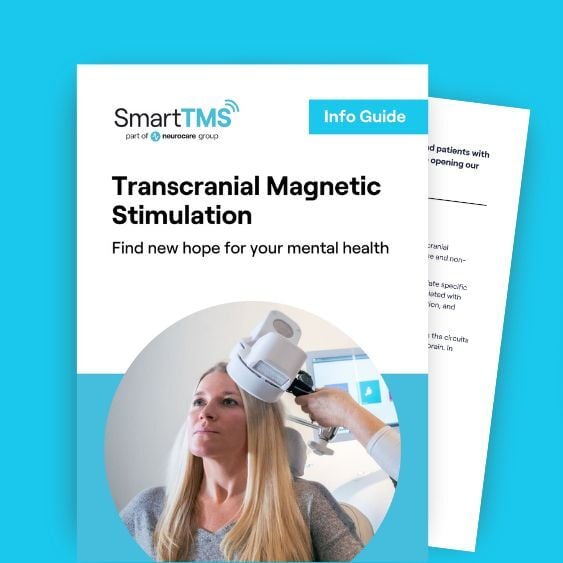
Transcranial Magnetic Stimulation (TMS) is a non-invasive neuromodulation technique that uses magnetic pulses to stimulate specific brain regions involved in cognition, emotion, and memory. These pulses induce small electrical currents that modulate neuronal activity and enhance communication between functional brain networks.
Depending on the stimulation frequency, TMS can increase or decrease neural activity, making it a highly adaptable technique that clinicians can personalise to target dysfunctional brain circuits. Originally approved by NICE in 2015 for treatment-resistant depression, TMS for Alzheimer’s disease has gained growing research interest due to its ability to enhance neuroplasticity—the brain’s capacity to reorganise and form new neural connections (Menardi et al., 2022; Zhang et al., 2025).
In Alzheimer’s disease, TMS is typically used to target regions vulnerable to neurodegeneration, such as the precuneus and prefrontal cortex, with the goal of supporting cognitive function and slowing decline. In a randomised, sham-controlled trial, Koch et al. (2022) found that high-frequency TMS applied to the precuneus improved memory performance and maintained functional connectivity in individuals with mild-to-moderate Alzheimer’s disease. Although findings show modest but encouraging benefits, larger long-term studies are still required.
What are Alzheimer’s Antibodies?
Alzheimer’s antibody therapies are a class of disease-modifying treatments designed to reduce amyloid-beta (Aβ) plaques—one of the key pathological hallmarks of Alzheimer’s disease. These monoclonal antibodies bind to Aβ plaques, helping the immune system identify and clear the toxic proteins (Sevigny et al., 2016; Chowdhury & Shipa, 2023).
Clinical trials have shown measurable biological effects, including reductions in amyloid plaque burden and a moderate slowing of cognitive and functional decline in early Alzheimer’s disease (Qiao et al., 2023). Treatments such as Aducanumab and Lecanemab have shown dose-dependent plaque reduction, although the clinical impact remains modest and requires ongoing monitoring.
Comparing Mechanisms of Action
TMS and Alzheimer’s antibodies differ fundamentally:
-
TMS for Alzheimer’s focuses on neuromodulation, enhancing neural activity and improving cognitive symptoms by supporting brain network function.
-
Alzheimer’s antibody therapies target the biological process of amyloid accumulation, attempting to slow disease progression at the molecular level.
Together, these emerging therapeutic approaches reflect a broader move toward multimodal treatment strategies for Alzheimer’s disease.
Efficacy and Evidence
Evidence for TMS
Research into TMS treatment for Alzheimer’s disease is expanding, with encouraging results. Studies show improvements in cognitive performance, memory, and daily functioning, especially in mild-to-moderate Alzheimer’s.
Notable findings include:
-
Koch et al. (2025): 52 weeks of rTMS to the precuneus slowed cognitive decline and improved memory and daily functioning.
-
Sabbagh et al. (2020): Six weeks of TMS combined with cognitive training led to significant cognitive improvements with no serious side effects.
-
Pagali et al. (2024): A systematic review of 143 studies concluded that TMS is a safe and well-tolerated intervention that consistently enhances cognitive performance.
Overall, evidence suggests that TMS for Alzheimer’s may offer meaningful symptomatic benefits with a favourable safety profile.
Evidence for Antibody Treatments
Large-scale trials demonstrate biological effects, particularly plaque reduction. However, clinical improvements remain modest, and outcomes vary across studies.
Key findings:
-
Lecanemab (Clarity AD trial): Moderate slowing of cognitive decline but notable risk of ARIA (van Dyck et al., 2023).
-
Aducanumab: Reduced amyloid plaques, but clinical results have been inconsistent (Sevigny et al., 2016).
-
Meta-analyses (Avgerinos et al., 2021; Perneczky et al., 2024): Confirm biological impact but highlight limited cognitive improvements.
In the UK, Lecanemab has MHRA authorisation but is not approved by NICE for NHS use due to cost-effectiveness concerns (NICE, 2025).
Safety and Tolerability
Safety of TMS
TMS is widely recognised as:
-
Non-invasive
-
Drug-free
-
Well-tolerated
-
Safe for older adults
Common side effects include mild headache or scalp discomfort, which resolve quickly. The seizure risk is extremely low when guidelines are followed (Rossi et al., 2021). This favourable safety profile makes TMS for Alzheimer’s an appealing option for individuals who cannot tolerate medication or prefer non-pharmacological treatments.
Safety of Antibody Therapies
Alzheimer’s antibody treatments require careful medical supervision. The main risks include:
-
ARIA (brain swelling or microbleeds)
-
Infusion-related reactions
-
The need for regular MRI monitoring
While generally manageable, these risks add complexity and cost to treatment.
Practical Considerations
TMS Treatment
-
Delivered through non-invasive magnetic stimulation
-
Requires multiple clinic sessions (daily or condensed schedules)
-
No downtime — patients can resume normal activities immediately
-
No need for MRI monitoring
-
Available in specialist clinics such as Smart TMS
This makes TMS for Alzheimer’s accessible and practical for many patients and families seeking supportive cognitive interventions.
Antibody Therapies
-
Require IV infusions in clinical settings
-
Involve frequent MRI scans
-
Limited availability and strict eligibility criteria
-
Not routinely funded by the NHS
For many patients, these factors represent significant barriers.
Conclusion
TMS and Alzheimer’s antibody therapies represent two promising pathways in the evolving landscape of Alzheimer’s treatment. While antibody therapies aim to modify disease progression by targeting amyloid, TMS focuses on enhancing brain function, cognitive performance, and neuroplasticity. Although neither treatment offers a cure, both may provide meaningful benefits that support quality of life and symptom management.
At Smart TMS, we offer advanced TMS treatment for Alzheimer’s disease, providing a non-invasive, drug-free approach designed to support cognitive functioning in the early stages of Alzheimer’s and mild cognitive impairment. Our specialist clinicians use evidence-based TMS protocols targeting brain regions essential for memory and executive function, helping to enhance neuroplasticity and improve cognitive performance. For individuals seeking a safe, well-tolerated alternative to medication—or who are not eligible for antibody therapies—TMS for Alzheimer’s may offer a valuable option.
To learn more or book an assessment, contact Smart TMS today and explore how TMS could support you or your loved one.
Written by Holly, our Newcastle practitioner
References
- Avgerinos, K. I., Ferrucci, L., & Kapogiannis, D. (2021). Effects of monoclonal antibodies against amyloid-β on clinical and biomarker outcomes and adverse event risks: A systematic review and meta-analysis of phase III RCTs in Alzheimer's disease. Ageing Research Reviews, 68, 101339. https://doi.org/10.1016/j.arr.2021.101339
- Chaudhary, R. K., Mateti, U. V., Khanal, P., Rawal, K. B., Jain, P., Patil, V. S., & Patil, B. M. (2024). Alzheimer’s disease: Epidemiology, neuropathology, and neurochemistry. In Computational and Experimental Studies in Alzheimer's Disease (pp. 1–14). CRC Press.
- Chowdhury, S., & Chowdhury, N. S. (2023). Novel anti-amyloid-beta (Aβ) monoclonal antibody lecanemab for Alzheimer's disease: A systematic review. International Journal of Immunopathology and Pharmacology, 37, 3946320231209839. https://doi.org/10.1177/03946320231209839
- Couzin-Frankel, J. (2023). Side effects loom over Alzheimer’s drugs. Science, 381(6657), 466–467.
- Cummings, J. L., Lee, G., Ritter, A., & Zhong, K. (2018). Alzheimer’s disease drug-development pipeline: 2018. Alzheimer’s & Dementia: Translational Research & Clinical Interventions, 4, 195–214.
- Honig, L. S., Sabbagh, M. N., van Dyck, C. H., et al. (2024). Updated safety results from phase 3 lecanemab study in early Alzheimer’s disease. Alzheimer’s Research & Therapy, 16, 105. https://doi.org/10.1186/s13195-024-01441-8
- Iriarte, I. G., & George, M. S. (2018). Transcranial magnetic stimulation (TMS) in the elderly. Current Psychiatry Reports, 20(1), 6.
- Koch, G., Casula, E. P., Bonnì, S., Borghi, I., Assogna, M., Minei, M., & Martorana, A. (2022). Precuneus magnetic stimulation for Alzheimer’s disease: A randomised, sham-controlled trial. Brain, 145(11), 3776–3786.
- Koch, G., Casula, E. P., Bonnì, S., Borghi, I., Assogna, M., Di Lorenzo, F., & Martorana, A. (2025). Effects of 52 weeks of precuneus rTMS in Alzheimer’s disease patients: A randomised trial. Alzheimer’s Research & Therapy, 17(1), 69.
- Lefaucheur, J. P., Aleman, A., Baeken, C., et al. (2020). Evidence-based guidelines on the therapeutic use of repetitive transcranial magnetic stimulation (rTMS): An update (2014–2018). Clinical Neurophysiology, 131(2), 474–528.
- McClintock, S. M., Reti, I. M., Carpenter, L. L., et al. (2018). Consensus recommendations for the clinical application of repetitive transcranial magnetic stimulation (rTMS) in the treatment of depression. Journal of Clinical Psychiatry, 79(1), 16cs10905.
- Menardi, A., Dotti, L., Ambrosini, E., & Vallesi, A. (2022). Transcranial magnetic stimulation treatment in Alzheimer’s disease: A meta-analysis of its efficacy as a function of protocol characteristics and degree of personalisation. Journal of Neurology, 269(10), 5283–5301. https://doi.org/10.1007/s00415-022-11236-2
- National Institute for Health and Care Excellence. (2025, June 19). Final draft guidance finds benefits of two Alzheimer’s treatments remain too small to justify the additional cost to the NHS. https://www.nice.org.uk/news/articles/the-benefits-of-alzheimers-treatments-donanemab-and-lecanemab-remain-too-small-to-justify-the-additional-costs-says-nice-in-final-draft-guidance
- Pagali, S. R., Kumar, R., LeMahieu, A. M., Basso, M. R., Boeve, B. F., Croarkin, P. E., & Lapid, M. I. (2024). Efficacy and safety of transcranial magnetic stimulation on cognition in mild cognitive impairment, Alzheimer’s disease, Alzheimer’s disease-related dementias, and other cognitive disorders: A systematic review and meta-analysis. International Psychogeriatrics, 36(10), 880–928.
- Perneczky, R., Dom, G., Chan, A., Falkai, P., & Bassetti, C. (2024). Anti-amyloid antibody treatments for Alzheimer’s disease. European Journal of Neurology, 31(2), e16049.
- Qiao, Y., Chi, Y., Zhang, Q., & Ma, Y. (2023). Safety and efficacy of lecanemab for Alzheimer's disease: A systematic review and meta-analysis of randomised clinical trials. Frontiers in Aging Neuroscience, 15, 1169499.
- Rossi, S., Antal, A., Bestmann, S., Bikson, M., Brewer, C., Brockmöller, J., & Hallett, M. (2021). Safety and recommendations for TMS use in healthy subjects and patient populations, with updates on training, ethical, and regulatory issues: Expert guidelines. Clinical Neurophysiology, 132(1), 269–306.
- Sabbagh, M., Sadowsky, C., Tousi, B., Agronin, M. E., Alva, G., Armon, C., Pascual-Leone, A., & Ploznik, M. (2020). Effects of a combined transcranial magnetic stimulation (TMS) and cognitive training intervention in patients with Alzheimer's disease. Alzheimer’s & Dementia, 16(4), 641–650. https://doi.org/10.1016/j.jalz.2019.08.197
- Sevigny, J., Chiao, P., Bussière, T., Weinreb, P. H., Williams, L., Maier, M., & Sandrock, A. (2016). The antibody aducanumab reduces Aβ plaques in Alzheimer’s disease. Nature, 537(7618), 50–56. https://doi.org/10.1038/nature19323
- van Dyck, C. H., Swanson, C. J., Aisen, P., Bateman, R. J., Chen, C., Gee, M., & Iwatsubo, T. (2023). Lecanemab in early Alzheimer’s disease. New England Journal of Medicine, 388(1), 9–21.
- Wei, Z., Fu, J., Liang, H., Liu, M., Ye, X., & Zhong, P. (2022). The therapeutic efficacy of transcranial magnetic stimulation in managing Alzheimer’s disease: A systematic review and meta-analysis. Frontiers in Aging Neuroscience, 14, 980998.
- Whittington, M. D., Campbell, J. D., Rind, D., Fluetsch, N., Lin, G. A., & Pearson, S. D. (2022). Cost-effectiveness and value-based pricing of aducanumab for patients with early Alzheimer’s disease. Neurology, 98(9), e968–e977.
- Zhang, X., Zhu, L., & Li, Y. (2025). Therapeutic potential and mechanisms of repetitive transcranial magnetic stimulation in Alzheimer’s disease: A literature review. European Journal of Medical Research, 30, 233. https://doi.org/10.1186/s40001-025-02493-8