




Contact us Contact us
0345 222 5678 0345 222 5678

Methamphetamine addiction treatment with TMS

Transcranial Magnetic Stimulation (TMS) is an innovative approach to treating addiction.

cocaine addiction treatment with TMS

About methamphetamine addiction

Methamphetamine is a powerful stimulant drug that rapidly alters brain chemistry. It increases dopamine to extremely high levels, producing intense euphoria, heightened energy, and increased alertness. Because these dopamine surges far exceed what the brain can produce naturally, methamphetamine carries a high risk of addiction.

Repeated use can lead to:

  • Significant changes in mood, behaviour, and sleep
  • Increasing tolerance, requiring larger amounts for the same effect
  • Heightened anxiety, agitation, or paranoia
  • Impaired judgement and impulsivity
  • Strain on family life, work performance, and relationships

The crash (“comedown”) that follows use often leaves people exhausted, depressed, anxious, and cognitively impaired—making continued use seem like the only way to feel normal again.

You may notice these changes in a loved one and wonder why they seem “different,” or you might recognise these signs in yourself but feel unable to quit, even with strong intentions.

Signs of methamphetamine addiction may include:

  • Strong cravings and compulsive use
  • Needing increasingly larger amounts to achieve the same effects
  • Anxiety, agitation, or irritability when not using
  • Prioritising methamphetamine over work, family, and responsibilities
  • Continuing to use despite clear 
    harm
  • Cognitive changes such as difficulty focusing, memory issues, or impulsive behaviour

Addiction is a complex brain and body disorder. Withdrawal from methamphetamine is not usually medically dangerous, but it can be emotionally and physically difficult—including fatigue, low mood, anxiety, and overwhelming cravings. These factors contribute to high relapse rates in methamphetamine addiction.

Smart TMS provides compassionate, evidence-informed treatment options to help you regain control.


Methamphetamine addiction treatment

At present, no medication has been approved by the FDA or NICE specifically for treating methamphetamine addiction. Several medications are under investigation, but none are currently established as consistently effective.

Psychological treatments remain the mainstay, including:

  • Cognitive Behavioural Therapy (CBT)
  • Contingency Management (reward-based reinforcement for staying abstinent)
  • Motivational interviewing
  • Structured rehabilitation programmes

These treatments are often required for 6 months or longer to create lasting change.

However, for many individuals, traditional treatments alone may not be enough—largely due to the strength of cravings, the neurochemical imbalances caused by methamphetamine, and the chronic nature of stimulant addiction.

This is where TMS is showing promise as a supportive treatment.


How does TMS help with methamphetamine addiction?

Growing research suggests that TMS can reduce cravings and improve self-control in individuals with stimulant addictions, including methamphetamine.

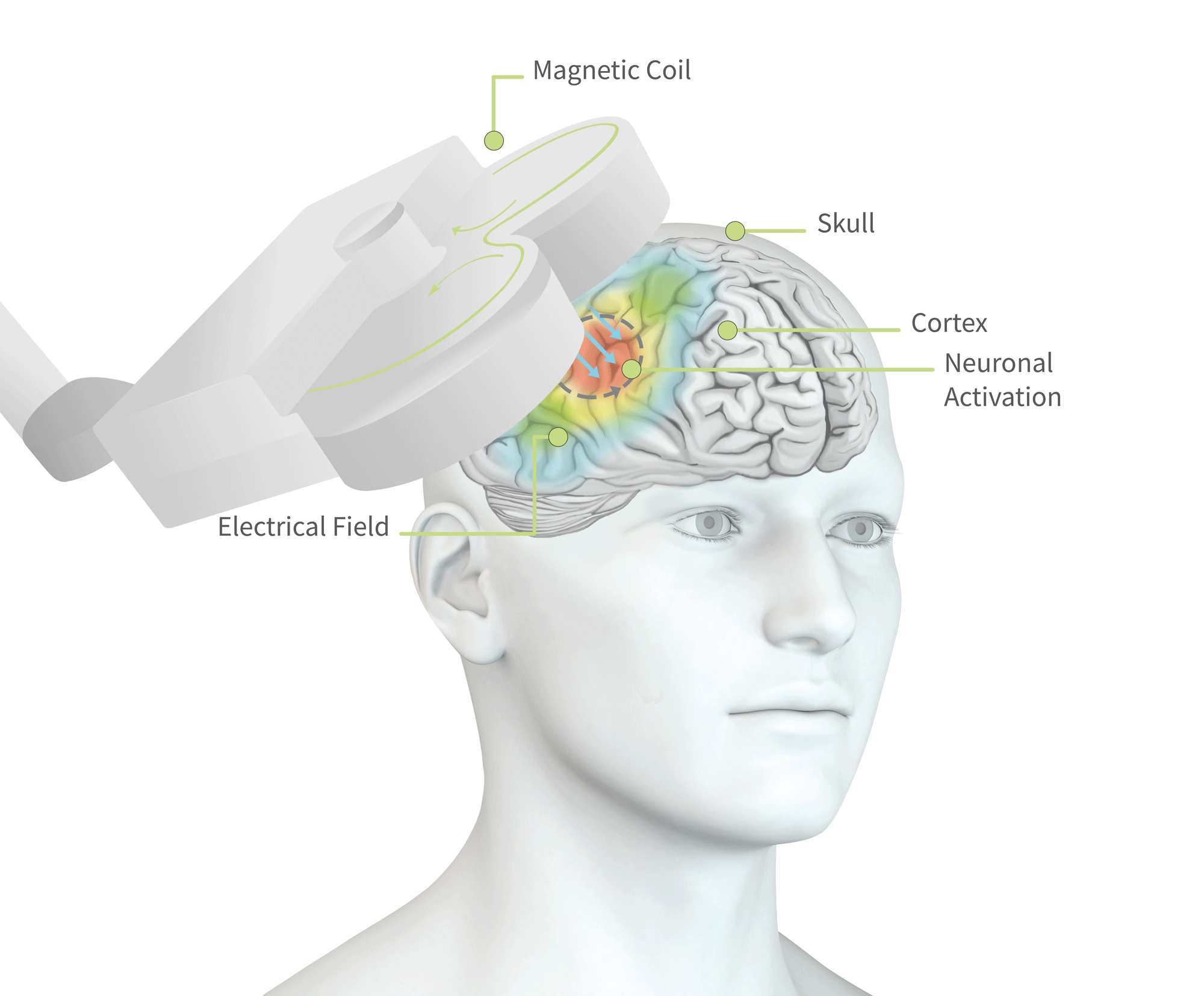
TMS works by delivering magnetic pulses to targeted brain areas—typically the left dorsolateral prefrontal cortex (DLPFC)—a region involved in:

  • Decision-making
  • Craving regulation
  • Impulse control
  • Mood stability

Studies have shown that stimulating this region may help:

  • Reduce methamphetamine cravings
  • Improve mood and cognitive function
  • Enhance engagement in recovery programmes
  • Reduce the risk of relapse when combined with therapy


Treatment Structure

Our methamphetamine addiction protocol consists of:

  • 1 course of 15 TMS sessions
  • Sessions delivered once per day (Monday–Friday) for three weeks
  • Non-invasive, medication-free, and does not require anaesthesia
  • No downtime—patients return to daily activities immediately after treatment

Because addiction affects each individual differently, additional sessions may be recommended depending on symptom severity and response.

TMS for methamphetamine addiction

Research into TMS for methamphetamine addiction is growing and has shown promising results:

Multiple clinical trials have found significant reductions in methamphetamine craving following high-frequency TMS to the DLPFC.

Some studies report improved abstinence rates compared with standard therapy alone.

TMS has also been associated with improved mood and executive function, both of which support long-term recovery.

TMS for methamphetamine addiction is considered off-label, meaning it is used based on scientific evidence but is not yet formally approved for this condition.
However, results so far indicate it is safe, well-tolerated, and potentially beneficial when combined with psychological treatment.

At Smart TMS, we follow evidence-based protocols from leading research centres and continue to review emerging studies to ensure our treatments remain at the forefront of scientific progress.

Costs

Addiction treatment prices

TMS treatment for addiction is delivered in a course of 15 sessions.

Additional treatment can be booked as per the advice of your clinician.

  London Other locations
Initial course
(15 sessions)
£4,500 £4,125
Second course
(15 sessions)
£4,500 £4,125


What our patients say...
"I filled in a form at the clinic and under the cocaine craving score I circled the number one. In actual fact, on reflection, I think I should have marked zero. As I still thought about it, I felt I should mark one but in reality thinking and craving are two separate things. The craving was zero! And this has continued to be the case throughout the rest of the treatment. "
John - 54,Manchester
"TMS will be a game changer. Whatever it is the reason you have been recommended TMS treatment, it's worth it from depression to trauma to some sort of addiction, empirically I can state that the benefit will be felt soon. I really strongly recommend. "
Lenny - 56,London
"I cannot express how wonderful this feels. No cravings, no depression, nothing but positivity and a renewed zest for life."
Freddie - 33,Northampton

Continuous care

tms treatment cocaine

Dr Neal and his team understand the need to help our patients stay well beyond the end of their TMS treatment. Using research and our own experience, we have designed aftercare packages to provide ongoing care with a planned programme of regular top-up treatments.

Have you had TMS treatment for depression at another clinic? Smart TMS can offer you maintenance therapy, too.

Contact our team about TMS treatment

Smart TMS Brochure

Get access to our free brochure & make an informed choice about TMS treatment.

Click to download Click to download
Brochure Image

UK Flag Smart TMS UK

Monday - Friday, 9am - 5pm
Email info@smarttms.co.uk

UK Flag Smart TMS Ireland

Monday - Friday, 9am - 5pm
Email info@smarttms.ie

Let's see if TMS is right for you with a quick screening check

Let's see if TMS is right for you with a quick screening check

Copyright © Smart rTMS Ltd. 2025 - Company number 09921994