





Why Traditional Treatments Don’t Work for Everyone with Depression
January 22, 2026 - Smart TMS

Depression is a complex mental health condition, and while traditional treatments such as antidepressant medication and psychological therapy are effective for many people, they do not work for everyone. A significant proportion of individuals continue to experience symptoms despite multiple treatment attempts. This is commonly referred to as treatment-resistant depression (TRD) and highlights the need for alternative, evidence-based treatment options.
What Is Treatment-Resistant Depression?
Treatment-resistant depression (TRD) is a form of major depressive disorder (MDD) that does not respond adequately to at least two different antidepressant medications taken at appropriate doses and for sufficient durations. Research suggests that approximately 30–48% of individuals with major depressive disorder experience treatment-resistant depression, demonstrating that standard depression treatments are not effective for a substantial number of patients.
The symptoms of TRD are similar to those of MDD and include persistent low mood, changes in sleep and appetite, fatigue, reduced concentration, and feelings of hopelessness. However, individuals with treatment-resistant depression are more likely to experience more severe and longer-lasting symptoms, including anhedonia (loss of pleasure), heightened anxiety, and recurrent depressive episodes. Unlike typical depression, where symptoms often improve with treatment, TRD symptoms may persist or return despite repeated treatment attempts.
Limitations of Antidepressant Medication for Some Patients
Although antidepressant medication is effective for many individuals with depression, studies indicate that only around 52% of patients achieve remission with medication alone. A significant proportion require multiple medication trials, with approximately 48% experiencing a treatment-resistant response and 37% having tried four or more antidepressants without achieving adequate symptom relief.
Additional limitations of antidepressant medication include:
-
Risk of unwanted side effects
-
Delayed onset of therapeutic benefit
-
Social stigma associated with long-term medication use
-
Limited improvement in “hard-to-treat” symptoms such as anhedonia, cognitive impairment, and reduced motivation
For these individuals, medication-based depression treatment may feel ineffective or unsustainable.
Limitations of Therapy for Some Patients
Psychological therapies, including cognitive behavioural therapy (CBT), can be highly beneficial for depression, but they are not suitable for everyone. Common limitations include:
-
Delayed symptom improvement
-
Focus on current thoughts and behaviours rather than underlying brain function
-
Financial and time commitments
Therapy is not a one-size-fits-all solution, and its effectiveness can vary depending on the individual, the therapist, and the therapeutic approach. In addition, therapy can be emotionally demanding, particularly when individuals are asked to confront distressing experiences or past trauma. Some people may not feel ready for this level of emotional exploration, highlighting the importance of alternative treatments for depression.
Alternative Treatment Options for Treatment-Resistant Depression
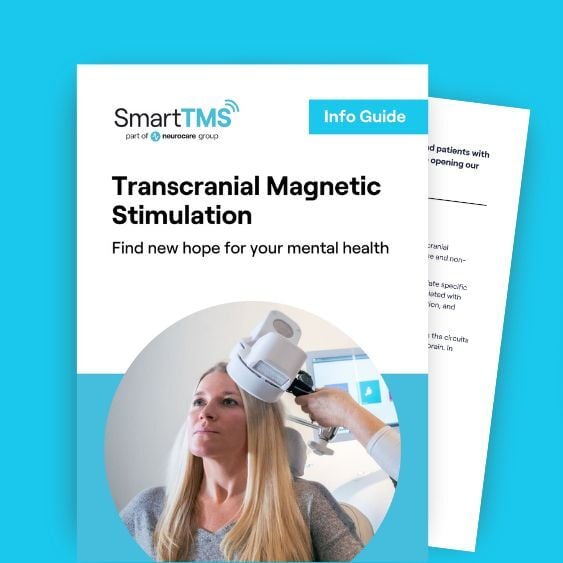
One evidence-based alternative treatment for treatment-resistant depression is Transcranial Magnetic Stimulation (TMS). TMS therapy for depression directly targets the neural circuits involved in mood regulation when conventional treatments have not provided sufficient relief.
TMS uses focused magnetic pulses to stimulate specific areas of the prefrontal cortex, a region strongly linked to depressive symptoms. This targeted stimulation supports neuroplasticity without the systemic side effects commonly associated with antidepressant medication. TMS treatment is non-invasive, does not require anaesthesia, and is generally well tolerated. During sessions, patients can choose how they spend their time, whether talking with their clinician, reading, or relaxing, making treatment both flexible and patient-centred.
How Smart TMS Can Help
At Smart TMS, we specialise in TMS treatment for depression and treatment-resistant depression, offering a personalised, evidence-based approach for individuals who have not responded to medication or therapy alone. Our experienced clinical team uses clinically validated TMS protocols tailored to each patient’s symptoms and treatment history. Treatment is delivered in a supportive outpatient setting, allowing patients to continue with their daily routines without disruption. For those seeking a non-invasive, medication-free depression treatment, Smart TMS provides a clinically proven option designed to help reduce symptoms, improve functioning, and support long-term recovery.
Written by Erica, our St Albans practitioner
References
- Cutler, A., MD, & Mattingly, G., MD. (2023, December 12). Limitations of current treatment options for depression. HCPLive - Clinical News for Connected Physicians. https://www.hcplive.com/view/limitations-of-current-treatment-options-for-depression
- Hub, P. W. B. (2025, August 8). Navigating the pros and cons of psychological therapy. Psychology Well Being Hub. https://glossary.psywellpath.com/advantages-disadvantages-psychological-therapy
- Jasen, L. (2024, June 18). Pros and Cons of therapy: Should you go? — Sage & Sunshine Therapy. Sage & Sunshine Therapy. https://www.sageandsunshinetherapy.com/blog/therapy-pros-and-cons
- McClure, P. (2025, March 25). Initial drugs don’t work for 48% of depressed people. New Atlas. https://newatlas.com/mental-health/treatment-resistant-depression-antidepressant/
- News-Medical. (2025, March 22). Nearly half of depression patients struggle with treatment resistance. https://www.news-medical.net/news/20250321/Nearly-half-of-patients-with-depression-struggle-with-treatment-resistance.aspx
- Seide, M., MD. (2025, July 29). The pros and cons of antidepressants. Verywell Mind. https://www.verywellmind.com/what-are-the-real-pros-and-cons-of-taking-antidepressants-5114482#toc-are-antidepressants-worth-it
- Treatment-Resistant depression. (2025, July 11). Cleveland Clinic. https://my.clevelandclinic.org/health/diseases/24991-treatment-resistant-depression
- Wigg, C., & Costi, S. (2021). Treatment-resistant depression: therapeutic options when first-line treatments fail. BJPsych Advances, 28(1), 4–8. https://doi.org/10.1192/bja.2021.65