





Bipolar Disorder and Sleep – Why sleep patterns matter
October 23, 2026 - Smart TMS


Sleep is essential for everyone’s physical and mental wellbeing but for people living with bipolar disorder it can play an even more significant role. Research has consistently shown that changes in sleep patterns are closely linked to mood episodes, with disruptive sleep capable of both triggering and reflecting changes in mental health. Understanding the relationship between them can help individuals recognise early warning signs, improve mood stability, and support long term wellbeing.
The Connection between Sleep and Bipolar Disorder
Bipolar Disorder is characterised by periods of depression and episodes of mania or hypomania with many people experiencing long periods of stability between episodes. Whilst medication, psychological therapy, and lifestyle factors all contribute to managing the condition, sleep is increasingly recognised as a key component of treatment.
Unlike occasional poor sleep experienced by most people, disruptions in sleep for someone with bipolar disorder can have a much greater impact on brain function and emotional regulation. Sleep and mood influence one another in a continuous cycle. Poor sleep can affect mood, while changes in mood can significantly alter sleep patterns.
Sleep Changes Can be an Early Warning Sign
One of the unique features of bipolar disorder is that changes in sleep often occur before noticeable changes in mood. During a manic or hypomanic episode, individuals may feel they need very little sleep, yet still report that they feel energetic and productive. Rather than simply sleeping less because they are busy, they often experience a genuine reduction in their need for sleep. This can be one of the earliest indicators that mood is becoming elevated.
In contrast, depressive episodes are commonly associated with sleeping much more than usual (hypersomnia) or struggling with persistent insomnia. Difficulty falling asleep, waking frequently during the night, or feeling unrefreshed despite long periods in bed are all common experiences. Recognising these changes early may allow individuals and healthcare professionals to intervene before symptoms become more severe.
Why does Sleep have Such a Powerful Effect?
Our bodies operate according to an internal biological clock known as the Circadian Rhythm. This 24-hour system regulates sleep, hormone production, body temperature, and many aspects of brain function.
Research suggests that Circadian Rhythm disturbances are closely linked to bipolar disorder. Irregular sleep schedules, shift work, jet lag, or prolonged sleep deprivation can disrupt this delicate system increasing vulnerability to mood episodes in some individuals. Scientists also believe that changes in neurotransmitters involved in mood regulation, including serotonin, dopamine and glutamate interact with sleep processes. This may partly explain why maintaining regular sleep is so important for mood stability.
The Importance of Routine
One of the most effective nonpharmacological strategies for managing bipolar disorder is maintaining a consistent daily routine. Going to bed and waking at similar times each day helps to reinforce healthy Circadian Rhythms. Regular mealtimes, exercise, social activities, and exposure to natural daylight can also support the body’s internal clock. For many people with bipolar disorder routine provides stability, not only for sleep but also for emotional wellbeing.
Practical Tips for Better Sleep
While sleep difficulties may require professional assessment and treatment there are several evidence-based strategies that may support healthy sleep:
-
Maintain consistent bedtimes and waking times, including the weekends
-
Develop a relaxing bedtime routine that signals it is time to wind down
-
Limit caffeine, nicotine, and alcohol, particularly during the evening
-
Reduce exposure to bright screens before bedtime where possible
-
Keep the bedroom cool, quiet and comfortable
-
Engage in regular daytime physical activity, while avoiding vigorous exercise immediately before bed
-
Spend time outdoors during daylight hours to support Circadian Rhythm regulation
These strategies are often referred to as Sleep Hygiene. Although they are not a replacement for medical treatment they can form an important part of overall self-management.
Sleep as Part of Treatment
Treatment for Bipolar Disorder usually involves a combination of medication, psychological therapy, education, and lifestyle management. Increasingly, clinicians recognise that monitoring sleep patterns can be as important as monitoring mood.
Some psychological approaches such as Cognitive Behavioural Therapy for Insomnia (CBT-I) and Interpersonal and Social Rhythm Therapy (IPSRT), specifically target sleep and daily routines. IPSRT, in particular aims to stabilise Circadian Rhythms and has been shown to reduce the risk of relapse in bipolar disorder.
Many Individuals also find it helpful to keep a mood and sleep diary, allowing them to identify patterns and recognise early warning signs before mood episodes develop.
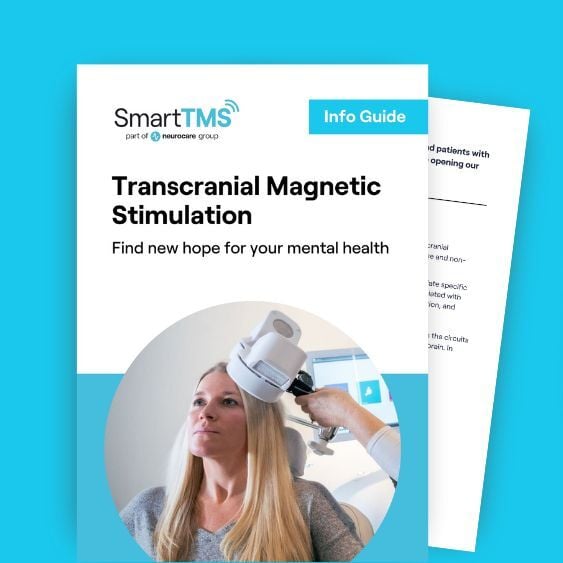
Repetitive transcranial magnetic stimulation, or rTMS, is another area of growing interest in the treatment of bipolar depression. rTMS is a non-invasive treatment that uses magnetic pulses to stimulate specific areas of the brain involved in mood regulation. It is most commonly associated with treatment-resistant depression, but research is also exploring its potential role for depressive episodes in bipolar disorder.
For some people, depressive symptoms can be persistent and difficult to treat, even with medication and psychological support. Under specialist clinical supervision, rTMS may be considered as part of a wider treatment plan. Although rTMS is not primarily a sleep treatment, improvements in depressive symptoms may indirectly support healthier routines, including more consistent sleep patterns. As with all treatments for bipolar disorder, careful assessment and monitoring are important to ensure that care is safe, appropriate, and tailored to the individual.
When to Seek Help
Occasional sleep problems are common but persistent changes in sleep should not be ignored, particularly for individuals living with bipolar disorder. Healthcare professionals should be informed if someone notices:
-
A reduced need for sleep accompanied by increased energy or racing thoughts
-
Sleeping significantly more or less than usual for several days
-
Increasing difficulty maintaining a regular sleep routine
-
Sleep changes occurring alongside noticeable changes in mood or behaviour.
-
Early intervention can often reduce the severity of mood episodes and improve long term outcomes.
Looking Beyond Sleep
Sleep is not simply a symptom of bipolar disorder, it is an important part of its management. Healthy sleep supports emotional regulation, cognitive functioning, and overall wellbeing, while disrupted sleep can increase vulnerability to both manic and depressive episodes. Understanding the relationship between sleep and bipolar disorder empowers individuals, families, and healthcare professionals to recognise early warning signs and take proactive steps to maintain stability. Alongside appropriate medical care, psychological support and healthy daily routines, prioritising sleep can play a vital role in living well with bipolar disorder.
References
-
National Institute for Health and Care Excellence. (2014, updated 2025). Bipolar disorder: assessment and management. NICE clinical guideline CG185.
-
Harvey, A. G. (2008). Sleep and circadian rhythms in bipolar disorder: seeking synchrony, harmony, and regulation. American Journal of Psychiatry, 165(7), 820–829.
-
Frank, E., Kupfer, D. J., Thase, M. E., Mallinger, A. G., Swartz, H. A., Fagiolini, A. M., Grochocinski, V., Houck, P., Scott, J., Thompson, W., & Monk, T. (2005). Two-year outcomes for interpersonal and social rhythm therapy in individuals with bipolar I disorder. Archives of General Psychiatry, 62(9), 996–1004.
-
McGirr, A., Karmani, S., Arsappa, R., Berlim, M. T., Thirthalli, J., Muralidharan, K., & Yatham, L. N. (2016). Clinical efficacy and safety of repetitive transcranial magnetic stimulation in acute bipolar depression. World Psychiatry, 15(1), 85–86.
-
Mikellides, G., Michael, P., Psalta, L., Schuhmann, T., & Sack, A. T. (2023). Repetitive transcranial magnetic stimulation for bipolar depression: a systematic review and pairwise and network meta-analysis. Molecular Psychiatry.