





Christmas and Mental Health: Finding Hope with TMS
December 19, 2025 - Smart TMS


For many people, Christmas is associated with joy, celebration and togetherness. However, for those living with depression, anxiety, PTSD or other mental health conditions, the festive season can feel overwhelming rather than uplifting. At Smart TMS, we recognise that Christmas can intensify emotional difficulties — and that access to effective, evidence-based mental health care is more important than ever.
If you’re searching for TMS for depression, TMS for mental health, or alternatives to medication that actually work, you are not alone — and support is available.
Why Christmas Can Be Difficult for Mental Health
The festive period brings unique pressures that can negatively affect mental wellbeing, including:
-
Increased expectations to feel happy and grateful
-
Financial stress from gifts and social commitments
-
Loneliness, grief, or reminders of loss
-
Family tensions or difficult relationships
-
Disrupted routines, sleep, and diet
-
Reduced daylight, which can worsen Seasonal Affective Disorder (SAD)
These challenges can worsen symptoms of depression and anxiety, even for people who usually cope well. Struggling with your mental health at Christmas does not mean you are failing — it means you are human.
What Is TMS?
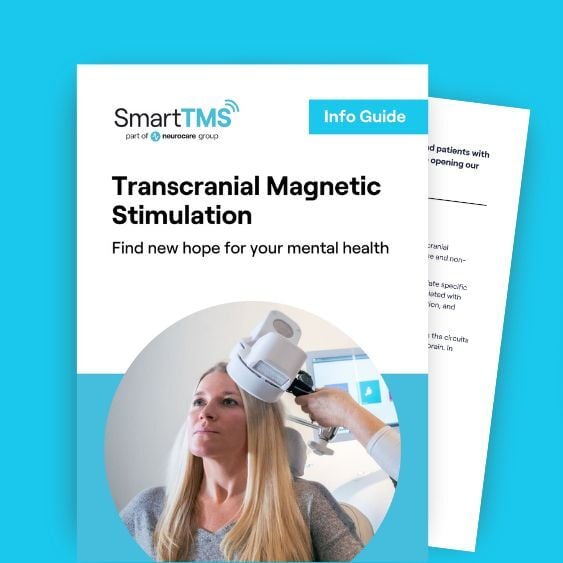
Transcranial Magnetic Stimulation (TMS) is a non-invasive, evidence-based treatment used for a range of mental health conditions. TMS works by delivering focused magnetic pulses to specific areas of the brain involved in mood regulation.
Unlike medication, TMS therapy does not affect the whole body and does not require anaesthesia or sedation. Treatment is delivered on an outpatient basis, and most people can return to normal activities immediately after sessions.
TMS for Mental Health Conditions
At Smart TMS, we offer personalised assessments to determine whether TMS for mental health may be suitable for you. TMS has strong evidence for:
-
TMS for depression, including treatment-resistant depression
For individuals who have not found relief from antidepressants or talking therapies alone, TMS for depression can offer renewed hope.
Why Consider TMS at Christmas?
The festive season can be a particularly difficult time to manage medication side effects or emotional instability. TMS may be especially helpful at Christmas because:
-
It is non-systemic, with no medication-related side effects
-
Sessions are short and outpatient-based
-
There is no emotional blunting, weight gain, or sedation
-
Many patients report gradual improvements in mood, motivation, and energy
Starting TMS therapy before or during Christmas can help individuals feel more supported and emotionally grounded heading into the New Year.
Practical Tips to Protect Your Mental Health This Christmas
Alongside professional support, small steps can make a meaningful difference:
-
Lower expectations — Christmas doesn’t have to be perfect
-
Set boundaries around social and family commitments
-
Maintain regular sleep and meal routines
-
Limit alcohol, which can worsen anxiety and low mood
-
Stay connected, even with brief check-ins
-
Ask for help early if symptoms worsen
Your wellbeing matters more than meeting festive expectations.
How Smart TMS Can Help
Smart TMS provides compassionate, personalised care for people seeking TMS for depression and other mental health conditions. Our experienced clinical team will guide you through:
-
A comprehensive mental health assessment
-
Whether TMS is appropriate for your symptoms
-
The most suitable TMS protocol for you
-
What to expect from treatment and outcomes
We support you every step of the way — not just at Christmas, but all year round.
Contact Smart TMS
If you or a loved one are struggling this Christmas, contact Smart TMS for a confidential consultation about TMS therapy and personalised mental health support.
References
-
NICE – Repetitive Transcranial Magnetic Stimulation for Depression
https://www.nice.org.uk/guidance/ipg542 -
NICE – Depression in Adults: Treatment and Management (NG222)
https://www.nice.org.uk/guidance/ng222 -
FDA – TMS Approval for Obsessive Compulsive Disorder
https://www.fda.gov/news-events/press-announcements/fda-permits-marketing-transcranial-magnetic-stimulation-treatment-obsessive-compulsive-disorder -
2024 Systematic Review & Meta-Analysis on TMS for Mental Disorders
https://pmc.ncbi.nlm.nih.gov/articles/PMC11112448/ -
2024 Meta-Analysis on Theta Burst Stimulation (Depression)
https://www.nature.com/articles/s41380-024-02630-5 -
UCLH NHS – Patient Information on rTMS for Depression
https://www.uclh.nhs.uk/patients-and-visitors/patient-information-pages/repetitive-transcranial-magnetic-stimulation-rtms-depression