





How TMS Can Work for You
March 27, 2026 - Smart TMS


What is TMS?
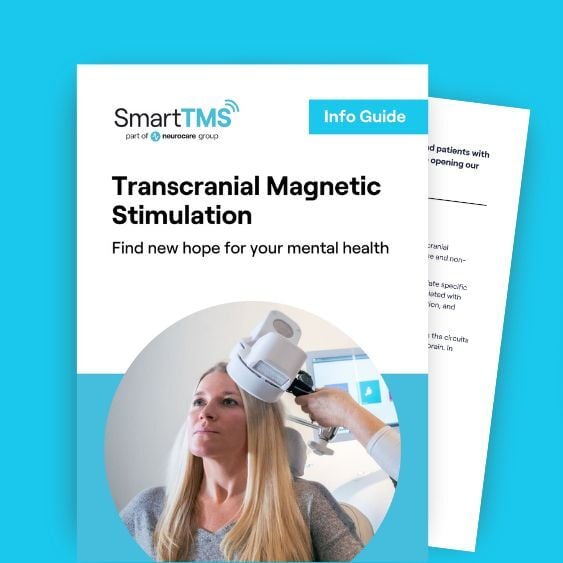
Transcranial magnetic stimulation (TMS) is a non-invasive depression treatment and form of neuromodulation therapy that uses magnetic pulses to alter the level of electrical activity in targeted brain regions. It is an evidence-based treatment approved by the National Institute for Health and Care Excellence (NICE) and is widely used as a treatment for depression without medication.
Repetitive transcranial magnetic stimulation (rTMS) is a specific application of TMS that delivers repeated magnetic pulses via a treatment coil placed carefully on the scalp. This coil targets specific brain regions associated with emotional regulation, making it an effective TMS therapy for depression, anxiety, and OCD.
By using different stimulation frequencies, rTMS can either activate or suppress activity in these areas to reduce symptoms. A key mechanism behind its success is neuroplasticity—the brain’s ability to repair and form new neural connections—making it particularly effective for treatment-resistant depression and other complex mental health conditions.
What Conditions Does TMS Work For?
One of the main advantages of TMS therapy is its wide applicability across a range of conditions. At Smart TMS, we provide rTMS treatment in the UK for a variety of psychiatric and neurological conditions.
TMS has strong clinical evidence for:
- TMS for depression (including treatment-resistant depression)
- TMS for anxiety disorders
- TMS for OCD (obsessive compulsive disorder)
- TMS for PTSD (post-traumatic stress disorder)
- TMS for postnatal depression and teenage depression
- TMS for seasonal affective disorder (SAD)
Additionally, TMS has shown effectiveness in treating:
- TMS for addiction (including alcohol, smoking, and cocaine addiction)
- TMS for insomnia
- TMS for fibromyalgia
- TMS for bipolar disorder (targeting depressive symptoms)
As a drug-free mental health treatment, TMS is particularly appealing for individuals seeking an alternative to antidepressants or those who have not responded well to traditional therapies.
Effectiveness of TMS for Depression, Anxiety, and Other Conditions
To assess the effectiveness of TMS therapy for depression and anxiety, it is important to consider real patient outcomes. At Smart TMS, annual audits ensure patients receive up-to-date and transparent data on treatment success rates.
For TMS treatment for depression, results show that:
- 65.4% of patients experience at least a 20% improvement in symptoms
- 49% achieve remission
- 1 in 4 patients report near-complete resolution of depressive symptoms
For TMS for anxiety, outcomes are similarly strong:
- 60% of patients achieve remission
- 30% experience complete resolution of symptoms
TMS has also demonstrated effectiveness in other conditions:
- TMS for OCD: 24.6% remission rate, with 26% achieving significant symptom reduction
- TMS for PTSD: average 43% reduction in symptoms, with 50% reaching remission
- TMS for bipolar depression: two-thirds of patients see meaningful improvement, with 48% achieving remission
Importantly, many patients undergoing rTMS treatment have treatment-resistant conditions, meaning they have not responded to medication or therapy. These results highlight TMS as a highly effective alternative depression treatment in the UK.
Your TMS Treatment Journey
Before Treatment
Your TMS journey begins with an initial assessment to determine suitability for TMS therapy for depression or anxiety. This includes a safety screening and online questionnaires, followed by a video consultation with a clinician. This step helps tailor your personalised TMS treatment plan.
During Treatment
Your first TMS session lasts around 90 minutes and includes setup procedures such as motor threshold measurement and coil positioning. Patients often describe TMS as a mild tapping sensation.
Ongoing sessions typically last 30–45 minutes, with most patients completing 20–30 sessions. This flexible structure makes TMS an ideal mental health treatment with minimal disruption to daily life, allowing patients to return to normal activities immediately after each session.
Concluding Treatment
After completing your course, you will have a final consultation to review your progress and determine whether additional sessions may be beneficial.
Continuous Care
Some individuals benefit from maintenance sessions to sustain improvements. These TMS top-up sessions are a normal part of long-term mental health care and help prevent relapse.
Why TMS Can Be a Great Option for You
1. Minimal Disruption to Daily Life
TMS sessions are short and convenient, making it a highly accessible depression treatment without medication. Many patients continue working and maintaining their routine throughout treatment.
2. Evidence-Based Treatment
TMS is supported by extensive clinical research and real-world data, establishing it as a leading evidence-based treatment for depression and anxiety in the UK.
3. Well-Tolerated Treatment
As a non-invasive brain stimulation therapy, TMS has minimal side effects. The most common is mild headache, typically manageable with over-the-counter medication.
4. Effective for Treatment-Resistant Conditions
TMS is particularly beneficial for individuals with treatment-resistant depression, offering hope where other treatments have not been successful. It can also be used alongside medication and therapy to enhance outcomes.
How Smart TMS can help
At Smart TMS, we specialise in providing TMS therapy for depression, anxiety, OCD, and PTSD across the UK, offering a safe, effective, and non-invasive alternative to antidepressants. Whether you are seeking treatment for depression without medication, exploring options for treatment-resistant depression, or looking for TMS for anxiety or OCD, our expert clinical team delivers personalised care tailored to your needs.
With clinics in London, St Albans, Manchester, Bristol, Birmingham, Edinburgh, Dublin, Northampton, Southampton and Newcastle, Smart TMS is a leading provider of rTMS treatment in the UK, helping patients achieve long-term improvements through innovative, evidence-based mental health care.
Get in touch with our Patient Care Team today to find out more.
Written by Lavina Bollen, Smart TMS Edinburgh practitioner